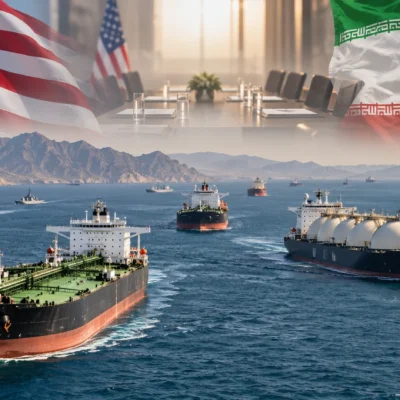

Featured Snippet
The Middle East remains one of the world’s most strategically important energy-producing regions. In 2026, rising geopolitical tensions have increased uncertainty across global oil markets, influencing crude oil prices, inflation, transportation costs, and economic growth. Governments, businesses, and investors are closely monitoring developments as energy security becomes an increasingly important global priority.
Introduction
Oil remains one of the world’s most valuable and strategically important commodities. Every major economy depends on stable energy supplies to power transportation, manufacturing, electricity generation, agriculture, and industrial production.
When geopolitical tensions rise in the Middle East, global energy markets often respond immediately. Investors closely watch developments involving major oil-producing nations because disruptions to production or transportation can influence fuel prices worldwide.
In 2026, increasing regional uncertainty has once again placed oil markets in the global spotlight. While supply chains have become more diversified over the past decade, the Middle East continues to play a central role in maintaining global energy stability.
Why the Middle East Matters
The Middle East accounts for a significant share of global crude oil production and exports.
The region is home to some of the world’s largest energy producers and contains critical infrastructure including:
- Major oil fields
- Export terminals
- Refineries
- Pipelines
- Strategic shipping routes
- Natural gas facilities
Because of this concentration of energy resources, even localized disruptions can have global consequences.
How Geopolitical Tensions Affect Oil Prices
Oil prices are influenced by both actual supply disruptions and market expectations.
Key factors include:
Supply Concerns
Markets react quickly if there is a possibility that production or exports could decline.
Shipping Risks
Important maritime routes are essential for transporting crude oil to global markets.
Any disruption increases transportation costs and insurance premiums.
Investor Sentiment
Uncertainty often causes investors to seek safer assets while commodity markets experience increased volatility.
Impact on the Global Economy
Higher oil prices affect nearly every sector.
Transportation
Airlines, shipping companies, trucking firms, and logistics providers face higher fuel expenses.
These increased costs are often passed on to consumers.
Manufacturing
Factories require significant amounts of energy.
Higher fuel and electricity costs increase manufacturing expenses across industries.
Agriculture
Modern agriculture depends on:
- Diesel-powered equipment
- Fertilizers
- Transportation
- Food processing
Higher energy costs contribute to rising food prices.
Consumer Inflation
Fuel influences the cost of almost every product.
As transportation becomes more expensive, inflation may increase across retail markets.
Energy Security
Countries are increasingly focusing on reducing dependence on imported fossil fuels.
Key strategies include:
- Diversifying suppliers
- Building strategic petroleum reserves
- Expanding renewable energy
- Increasing domestic production
- Improving energy efficiency
Energy security has become both an economic and national security priority.
Renewable Energy Growth
Periods of high oil prices often accelerate investment in alternative energy sources.
Governments and businesses continue investing in:
- Solar power
- Wind energy
- Electric vehicles
- Battery storage
- Hydrogen technologies
These investments aim to reduce long-term dependence on volatile fossil fuel markets.
Role of OPEC
The Organization of the Petroleum Exporting Countries (OPEC) plays an important role in balancing global oil supply.
Production decisions can influence:
- Oil prices
- Global inventories
- Market stability
- Investment confidence
Investors closely monitor OPEC announcements and production targets.
Financial Market Impact
Oil prices influence multiple asset classes including:
- Energy stocks
- Airline shares
- Manufacturing companies
- Commodity markets
- Currency exchange rates
- Government bonds
Energy market volatility often spreads to broader financial markets.
Business Strategies During High Oil Prices
Companies can reduce risk by:
- Improving energy efficiency
- Diversifying suppliers
- Investing in automation
- Optimizing logistics
- Using predictive analytics
- Exploring renewable energy solutions
Businesses with resilient supply chains are generally better positioned during periods of market uncertainty.
Future Outlook
The long-term outlook for global energy markets depends on several factors:
- Geopolitical stability
- Global economic growth
- Renewable energy adoption
- Electric vehicle expansion
- Oil production levels
- Technological innovation
- Climate policies
While short-term volatility may continue, many analysts expect the global energy transition to gradually reshape oil demand over the coming decades.
Conclusion
Middle East tensions continue to remind the world of the importance of stable energy markets. Rising oil prices influence transportation, manufacturing, inflation, investment, and consumer spending across nearly every economy.
Although geopolitical uncertainty creates short-term market volatility, it also encourages governments and businesses to invest in energy diversification, renewable technologies, and stronger supply chain resilience. The future of global energy will likely be shaped by a balance between traditional oil production and the accelerating transition toward cleaner, more sustainable energy sources.
Frequently Asked Questions
Why do Middle East tensions affect oil prices?
Because the region produces a significant portion of the world’s crude oil, disruptions or perceived risks can influence global supply expectations and market prices.
How do higher oil prices impact consumers?
Higher fuel costs increase transportation expenses, which often lead to higher prices for goods, services, and food.
What is energy security?
Energy security refers to ensuring reliable, affordable, and uninterrupted access to energy resources for economic stability.
Can renewable energy reduce oil dependence?
Yes. Expanding renewable energy, electric vehicles, and energy-efficient technologies can reduce long-term dependence on fossil fuels.
Which industries are most affected by rising oil prices?
Transportation, aviation, manufacturing, logistics, agriculture, and chemicals are among the sectors most directly impacted.