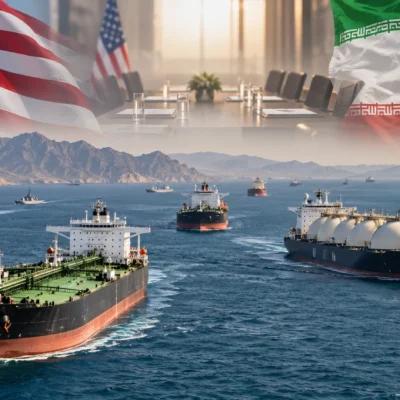

Tensions involving Iran, the United States and Israel remain a major international focus as diplomatic efforts continue alongside the wider conflict in the Middle East.
Iranian Foreign Minister Abbas Araqchi said on September 27 that diplomacy remained the way forward after US President Donald Trump said Washington had rejected an Iranian proposal aimed at reopening the Strait of Hormuz and ending fighting. Reuters reported that Iran had transmitted the proposal through Qatari mediators.
The Strait of Hormuz is particularly significant because it is one of the world’s most important energy and shipping routes. Developments affecting the waterway can therefore have consequences well beyond the Middle East.
What Happened?
Iran presented a proposal that it said could lead to the reopening of the Strait of Hormuz and an end to hostilities within a defined period. Trump said he had rejected the proposal.
Iran subsequently reiterated that reopening the waterway was dependent on its conditions being met and that a negotiated settlement was necessary.
The diplomatic exchanges come against the backdrop of continuing military tensions involving Iran, Israel and the United States.
Key Details
- Iran says diplomacy remains necessary to resolve the conflict.
- The Iranian proposal was transmitted through Qatari mediators, according to Reuters.
- Trump said Washington rejected the proposal.
- Tehran linked reopening the Strait of Hormuz to conditions being met.
- The dispute has international implications because of the waterway’s importance to energy and maritime trade.
Statements and Reactions
Iranian Foreign Minister Abbas Araqchi said Iran’s conditions were clear and that reopening the Strait would depend on those conditions.
Trump publicly rejected the Iranian proposal. Reuters also reported that mediators had not officially relayed a US rejection to Tehran at the time of its reporting, highlighting that diplomatic communications remained fluid.
Background
The Strait of Hormuz connects the Persian Gulf with the Gulf of Oman and Arabian Sea. Its strategic importance means that disruptions can affect energy markets, shipping costs and international supply chains.
The current crisis has also become intertwined with wider US-Iran and Israel-Iran tensions.
Why This Matters
The issue extends beyond the immediate conflict.
A prolonged disruption around the Strait could affect:
- Global oil and gas markets
- Maritime insurance and shipping
- Asian energy-importing economies
- International trade
- Regional security
- Diplomatic relations between Washington and Tehran
The situation also places pressure on countries attempting to mediate between the parties.
What Happens Next?
The immediate focus is on whether diplomatic channels can remain open and whether the parties can agree on conditions surrounding the Strait of Hormuz and the wider conflict.
Because negotiations remain fluid, statements from governments and mediators may change rapidly.
FAQs
Why is the Strait of Hormuz important?
It is a major maritime route connecting the Persian Gulf with international waters and is crucial to global energy shipments.
What did Iran propose?
Iran proposed a framework involving reopening the Strait of Hormuz and ending fighting, according to Reuters reporting.
Did the US accept the proposal?
No. President Donald Trump said he rejected the proposal.
Is Iran still seeking diplomacy?
Iranian officials have said diplomacy remains the preferred route for resolving the conflict.
Featured Image Prompt
Create a realistic 16:9 editorial news photograph showing the Strait of Hormuz from an elevated perspective, commercial oil tankers moving through strategically important waters, distant naval vessels, subtle Middle Eastern coastline, tense but non-graphic atmosphere, natural daylight, professional international-news photography, no text, no flags dominating the composition.