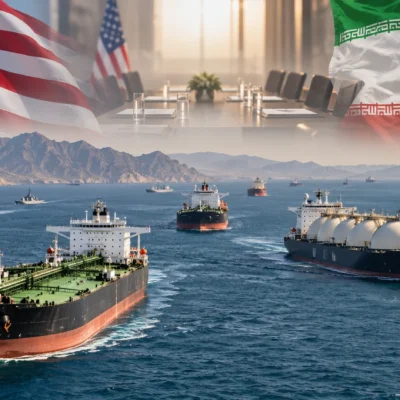

Introduction
Global trade is the foundation of the modern economy, connecting manufacturers, suppliers, logistics providers, and consumers across continents. Decisions made by major economies such as the United States often have worldwide consequences.
In 2026, trade policy continues to be a central topic in economic discussions. Governments are balancing domestic industrial growth with international trade relationships while responding to technological competition, supply chain resilience, and geopolitical uncertainty.
Businesses, investors, and consumers closely monitor changes in tariffs and trade regulations because they can affect production costs, product pricing, and investment decisions across multiple industries.
Understanding Trade Policy
Trade policy refers to government measures that regulate international commerce.
These include:
- Import tariffs
- Export regulations
- Trade agreements
- Investment incentives
- Industrial subsidies
- Customs regulations
Such policies are designed to support economic objectives while protecting strategic industries.
Why Tariffs Matter
Tariffs are taxes imposed on imported goods.
Governments may introduce tariffs to:
- Protect domestic industries
- Encourage local manufacturing
- Reduce dependence on imports
- Address trade imbalances
- Strengthen national security
However, tariffs can also increase production costs and consumer prices if businesses rely on imported components.
Impact on Global Supply Chains
Modern manufacturing depends on highly interconnected international supply chains.
Trade policy changes can encourage companies to:
- Diversify suppliers
- Relocate production
- Increase domestic manufacturing
- Invest in automation
- Expand regional production networks
Supply chain resilience has become a strategic priority for businesses worldwide.
Manufacturing and Industrial Growth
Industrial policy increasingly focuses on expanding domestic production capacity.
Priority sectors include:
- Semiconductor manufacturing
- Artificial Intelligence
- Electric Vehicles
- Aerospace
- Pharmaceuticals
- Critical Minerals
- Advanced Robotics
Governments view these industries as essential for long-term economic competitiveness.
Economic Impact
Trade policies influence many aspects of the economy.
Businesses
Companies may experience:
- Higher import costs
- New investment opportunities
- Supply chain restructuring
- Increased domestic production
Consumers
Changes in trade costs may affect:
- Retail prices
- Product availability
- Inflation
- Purchasing power
Investors
Financial markets monitor trade developments because policy changes can influence corporate earnings and business confidence.
Global Business Response
Multinational companies increasingly adapt through:
- Supplier diversification
- Regional manufacturing hubs
- Digital supply chain management
- Inventory optimization
- AI-driven logistics
- Automation
These strategies improve resilience against future trade disruptions.
Technology and Trade
Technology has become central to international commerce.
Key strategic sectors include:
- Artificial Intelligence
- Semiconductor chips
- Quantum Computing
- Cloud Infrastructure
- Cybersecurity
- Advanced Manufacturing
Competition in these industries increasingly shapes international trade policy.
Opportunities Created by Trade Policy
Despite challenges, evolving trade policies create new opportunities.
Growing sectors include:
- Domestic manufacturing
- Industrial automation
- Smart logistics
- Renewable energy
- Advanced materials
- Robotics
- AI software
- Infrastructure development
Businesses capable of adapting quickly often benefit from changing market conditions.
Future Outlook
The future of global trade is expected to focus on:
- Supply chain resilience
- Regional partnerships
- Technology leadership
- Sustainable manufacturing
- Digital trade
- Energy security
- Strategic industrial investment
International trade will likely remain dynamic as governments balance economic growth with national security priorities.
Conclusion
Trade policy continues to influence global economic development, business strategy, and industrial competitiveness. Tariffs and strategic investments aim to strengthen domestic industries while reshaping international supply chains.
Although businesses may face short-term challenges from policy changes, innovation, diversification, and technology adoption are creating new opportunities for long-term growth. Organizations that build resilient supply chains and invest in advanced manufacturing will be better positioned in an increasingly competitive global economy.
Frequently Asked Questions
What are tariffs?
Tariffs are taxes imposed on imported goods to influence trade, protect domestic industries, or achieve economic policy objectives.
How do tariffs affect consumers?
Tariffs can increase the cost of imported products, which may contribute to higher retail prices depending on market conditions.
Why are supply chains changing?
Companies are diversifying suppliers and production locations to improve resilience against geopolitical risks and trade disruptions.
Which industries are most affected by trade policy?
Manufacturing, semiconductors, automotive, technology, pharmaceuticals, agriculture, and logistics are among the sectors most influenced.
Why is technology becoming central to trade?
Advanced technologies such as AI, semiconductor manufacturing, and cybersecurity are increasingly viewed as strategic industries that influence economic competitiveness and national security.